Developers wouldn't ship code without version control. Yet many design systems still live in files where the only history is "Final_v3_really_final".
1. Why Designers Need Versions
Components change for good reasons: a new state, an accessibility fix, a rebrand.
Without versions, nobody can tell what changed, when, or why — and nobody can safely undo it.
2. Version Components, Not Files
A file-level history mixes hundreds of unrelated edits.
Component-level versions tell a clear story: Button v3.1 added a loading state, Input v2.0 changed its padding.
3. Describe Every Change
A version without a description is just a timestamp.
Write one sentence about what changed and why. Future you — and every developer implementing the change — will thank you.
4. Review Before You Publish
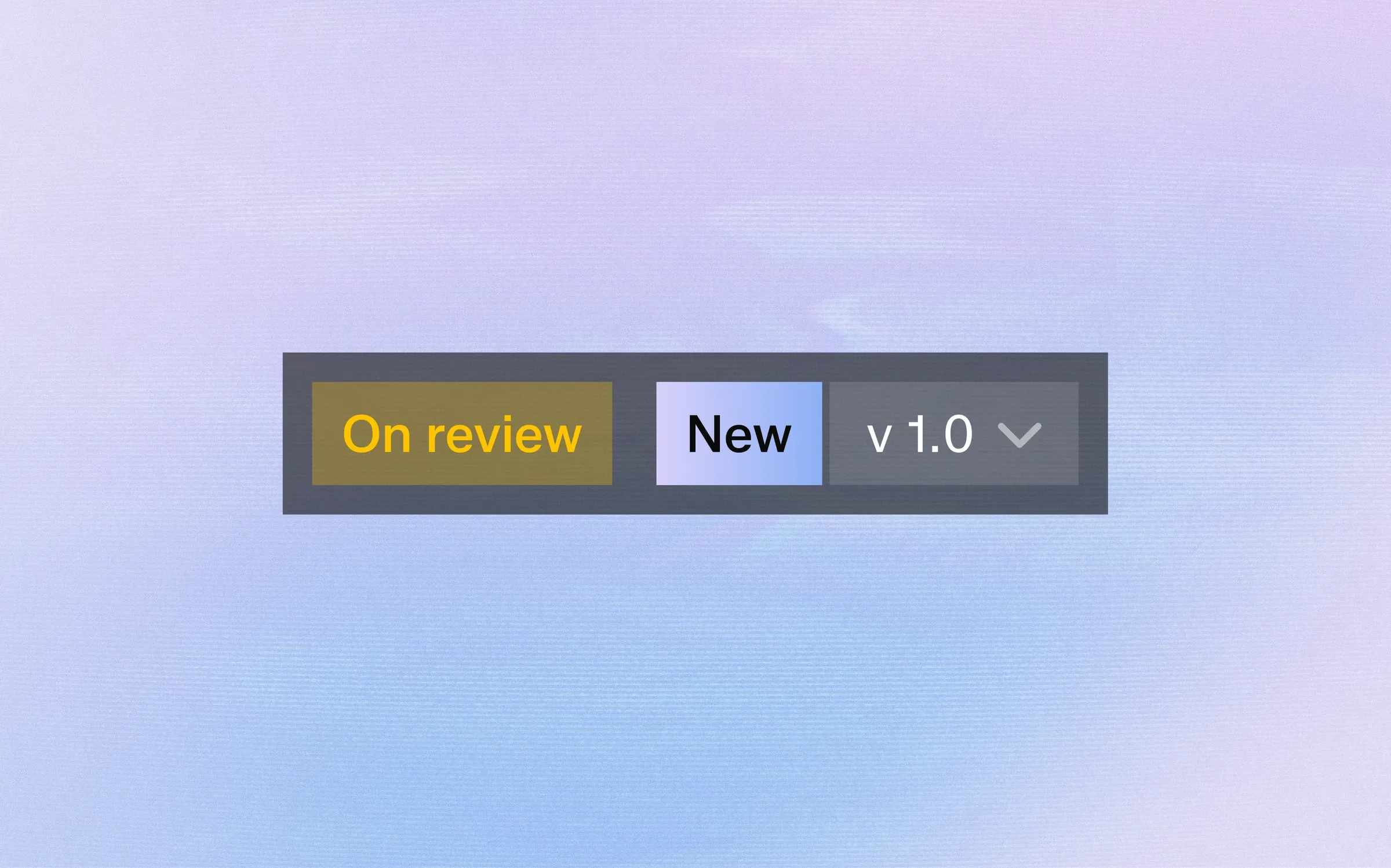
Treat a new version like a pull request.
Compare it side by side with the previous one, ask a teammate to review and publish only when it's ready.
5. Restore Without Fear
The real value of history is confidence.
When experiments are easy to undo, teams try more ideas — and the system gets better faster.