Every new generation of tools brings the same question: will this replace us? With AI the question is louder, but the answer hasn't changed. Tools replace tasks, not the people who decide what's worth building.
1. Most Design Work Is Maintenance
Ask any design systems team where their week goes.
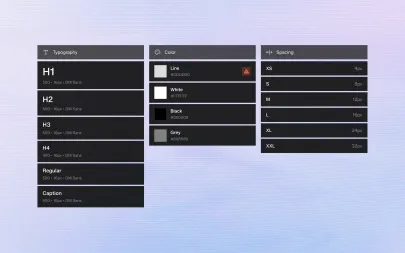
Renaming layers, rebuilding variants for a new size, updating the same color in forty places, writing the same spacing notes for every handoff.
None of it requires taste. All of it requires time.
2. What AI Is Actually Good At
AI is excellent at producing a reasonable first draft from clear rules.
Give it your tokens, your naming conventions and an example component, and it can generate the remaining sizes, states and variants in seconds.
It is far less reliable at deciding whether the component should exist at all.
3. Where Designers Stay Essential
Design is a sequence of decisions: what problem to solve, which trade-offs to accept, what the product should feel like.
Accessibility, hierarchy, motion and tone still need someone who understands the people using the product.
AI accelerates the path to a decision. It doesn't make the decision.
4. Designing the Workflow, Not Just the Screens
Teams that get the most out of AI treat it as part of their system.
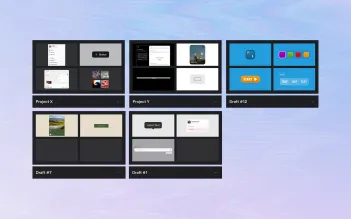
They document rules clearly enough for a model to follow, review generated work like a pull request and keep a version history so nothing is lost.
5. Conclusion
The designers who thrive won't be the ones who ignore AI or the ones who hand everything to it.
They'll be the ones who let automation handle the repetitive work, and spend the time they get back on the problems only people can solve.